Quick and Easy Meals to Prepare for ADHD Moms
Quick and easy meals to prepare are not a luxury; they're a survival skill for ADHD moms juggling work, homeschooling, and household tasks.
Keep your mental load low by keeping a short list of go-to recipes that match the minutes and energy you have. The ideas below show quick and easy meals to prepare in 10 to 30 minutes with minimal cleanup and less stress. Pick one or two you like and make them a habit.
Quick wins for tonight
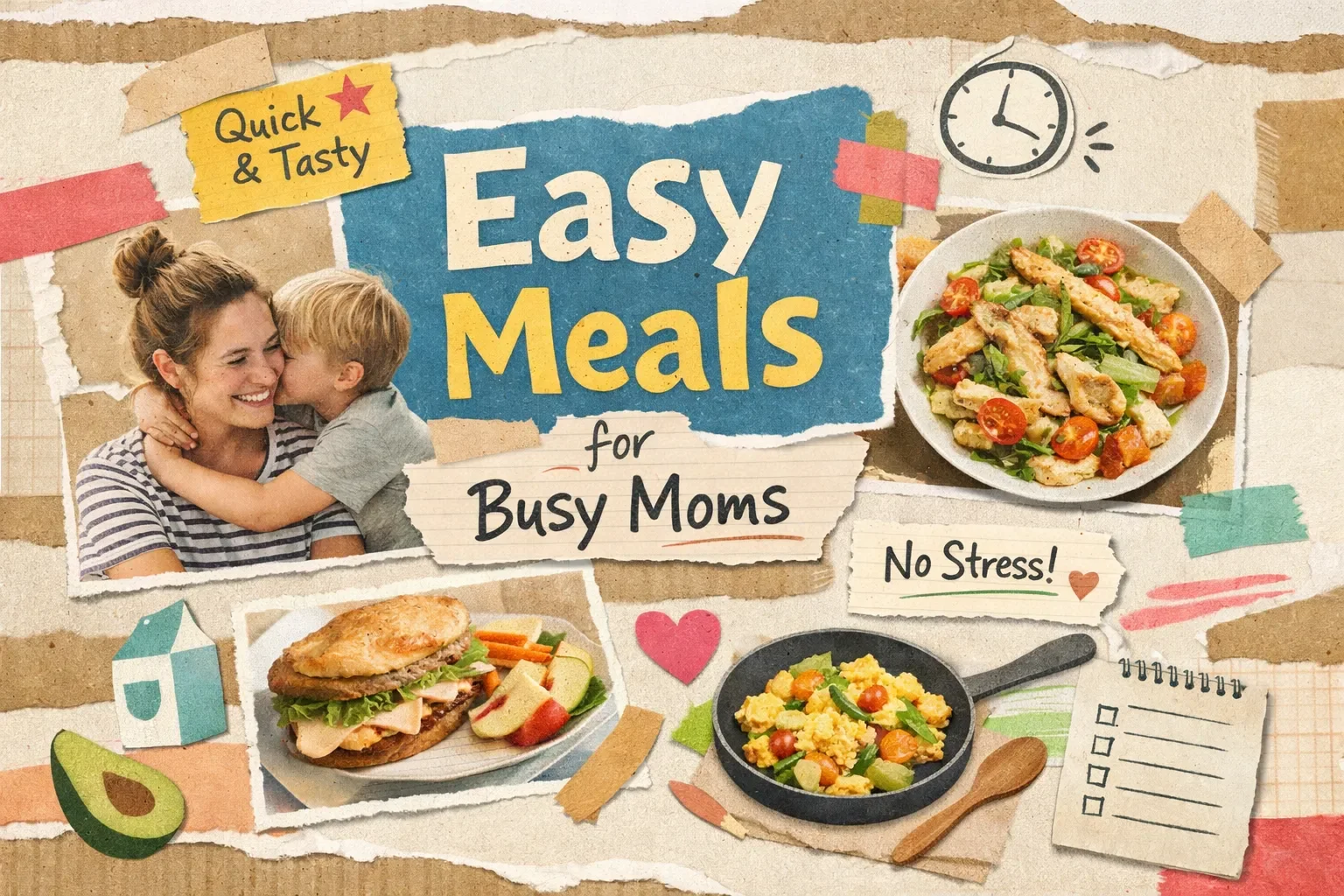
Sheet-pan shortcuts cut babysitting time: toss ingredients on a tray, roast, and serve with just one pan to scrub. Keep dinners to five ingredients when you need low-decision nights and count pantry staples as freebies so a tired evening still produces a proper meal. Pre-measured sauces and a heat-and-serve drawer make low-energy nights more dependable.
Quick and easy meals to prepare: The ADHD Mom's one-pot and sheet-pan rules
Keep dinner simple with three clear constraints: one pan, three active steps, and a 30-minute max. Those limits reduce decision friction, help you start without overthinking, and make finishing more likely when attention is pulled in different directions. Match recipes to the minutes and energy you actually have to cut decision fatigue.
If you have 10 minutes, pick a true one-pan skillet with mostly pantry staples; if you have 25 to 30 minutes, choose a dish that allows a short bake or simmer. Limit fresh ingredients to five to seven items and favor frozen vegetables and canned proteins so you skip extra chopping. Build habits like pre-measuring sauces into jars, keeping a heat-and-serve drawer, and storing toppings in clear containers for fast assembly.
10 to 15 minute skillet and stir-fry wins
Skillet and stir-fry meals are the easiest go-to when you need dinner fast but want something satisfying. Thin-cut proteins, pre-cooked grains, and frozen veggie mixes tolerate high heat and cut cook time. Keep a simple one-bowl sauce ready: soy or tamari, an acid, a sweetener, and a thickener like peanut butter or cornstarch.
Shorten prep by using minute rice, pre-cooked grains, and frozen diced onions or mixed vegetables. Cook on high heat in a hot pan to get quick color, then set a short visual timer and step away for a reset before finishing and plating. Use the 4-minute reset audio or a short timer between phases so you don’t get pulled into another task while the food cooks.
Ham fried rice: 10 minutes (one-pan skillet) Leftover rice, diced ham or rotisserie chicken, eggs, frozen peas and carrots, and soy or tamari make a forgiving skillet dinner. Heat oil and aromatics, fry the rice with ham and veggies, then scramble eggs in a cleared space and fold everything together. Set a 6-minute visual timer for the fry stage so you finish on time and enjoy one-pan cleanup.
Beef tacos: 10 to 15 minutes (skillet) Brown ground beef or turkey, stir in taco seasoning, and warm tortillas in the same pan. Assemble at the table for picky eaters; swap canned beans for a vegetarian option and use corn tortillas for gluten-free. Prep toppings while the meat cooks and set a timer to remind you to warm the tortillas so everything comes together quickly.
Peanut butter chicken: 10 to 15 minutes (skillet) Brown your protein, whisk peanut butter with soy, garlic, and lime, then coat and simmer briefly for big flavor from pantry staples. For a vegan twist, use chickpeas and coconut milk, or portion sauces ahead so measuring becomes a two-minute step. Let kids help with final garnishes like green onions or chopped peanuts so they stay engaged while you plate.
Quick and easy meals to prepare in 20–30 minutes
With 20 to 30 minutes, pick recipes that add a short bake or simmer while still keeping to one pan and three active steps. They give you a bit more flexibility: brown first, then roast or simmer while you check homework or tidy a room. That lets you step away briefly without losing control of the meal.
One-pan chicken, vegetables, and minute rice: about 20 minutes Sear thin-cut chicken or use shredded rotisserie, stir in frozen vegetables and minute rice, add concentrated broth, cover, and simmer until the rice plumps and the chicken is done. Swap white beans or tofu for a vegetarian option, use frozen diced onions to skip chopping, and set a 10-minute visual timer during the simmer so you can step away confidently. This meal scales for leftovers and reheats well for next-day lunches.
Small habits make the 20–30 minute window reliable: chop one ingredient at a time, keep a bowl for scraps to speed cleanup, and pre-portion any sauce you’ll need before you start. Those tiny investments keep pan-to-table time predictable and lower the chance of distraction derailing dinner. Over time, they cut minutes off prep and reduce stress.
Sheet-pan dinners: dump, roast, serve
Sheet-pan dinners are the easiest hands-off option and cut cleanup to one tray. Give pieces space so air circulates and everything browns instead of steaming, and line the pan with parchment or foil for faster cleanup. Treat the oven like an assistant. A single hot pan does a lot of the work for you.
Start with starchy vegetables so they have time to soften. Par-cook baby potatoes or cut larger potatoes smaller so they finish with the same texture as fish or asparagus, then add quick-cooking items. Use a meal timer to remind you when to add salmon, greens, or delicate vegetables so nothing overcooks.
Sheet-pan balsamic salmon with potatoes and asparagus: 25 to 30 minutes Toss par-cooked baby potatoes with oil, salt, and pepper, roast until tender, then nestle salmon fillets and asparagus on the sheet and brush with a balsamic-honey glaze. Finish for 8 to 10 minutes until the salmon flakes. Swap cauliflower florets for a low-carb option; they roast at a similar rate to potatoes.
Sheet-pan honey mustard chicken and vegetables: 25 to 30 minutes Coat bone-in or boneless chicken and sturdy vegetables like carrots and Brussels sprouts in a honey-mustard mix, arrange with space between pieces, and bake until the chicken reaches a safe temperature. Line the sheet for no-fuss cleanup and check sauce labels if you need gluten-free options. These dinners scale easily for a family and give you extra hands-off minutes to handle other tasks.
Five-ingredient or fewer dinners for exhausted nights
Short ingredient lists reduce decision fatigue and simplify shopping. Count only the items you would need to buy specifically for the dish; pantry staples like oil, salt, pepper, and basic spices don’t count if you already have them. Keep one or two prepped staples in the fridge so a three-ingredient option is genuinely doable on a wiped evening.
Marry Me sausage tortellini: 5 ingredients (skillet) Refrigerated tortellini, sausage, cream or a substitute, Parmesan, and spinach or cherry tomatoes make a rich, cheesy skillet dinner with minimal effort. Brown the sausage, add the tortellini with a little liquid, simmer until tender, then stir in cheese and greens. Swap plant-based sausage to make it vegetarian and enjoy nearly no-fuss cleanup.
3-ingredient tuna burgers: 15 minutes (skillet) Canned tuna, an egg or ground flax for binding, and breadcrumbs or almond flour for texture make quick, protein-rich patties. Mix, form patties, pan-fry until crisp, and serve with toast or a simple salad. Prep the patties ahead so dinner is mostly reheating and plating on a hard night.
Prep, shop, and stay on time: pantry staples, hacks, and the visual meal timer
Use a few small systems to make quick and easy meals to prepare actually happen. Keep a printable pantry checklist and a five-item fresh list on your phone for fast shopping, and save recurring carts in your grocery app. Pre-measure sauces into jars, keep a heat-and-serve drawer, and batch small garnishes so assembly is quick.
Two quick hacks to try: roast spiced chickpeas while you water plants for a short reset, and set a 15-minute timer for creamy sausage gnocchi so you know exactly when to stir and add greens. Use the visual meal timer in three ways: set visible chunks for high-heat sears, schedule a mid-cook check, and play a short reset audio between steps to ease frustration. Try timings like 6 minutes for frying, 12 minutes for a pan simmer, and 20 to 25 minutes for sheet-pan roasting to match the recipes above.
Pantry staples that unlock most meals include rice, pasta or gnocchi, canned beans and tomatoes, frozen mixed veggies, soy or tamari, olive oil, basic spices, tortillas, and a bag of frozen shrimp or chicken. Keep five fresh items on hand: chicken, onions, lemons, a head of broccoli, and tortillas. Save these as a recurring shopping list to remove one more daily choice. For pantry-focused inspiration, see curated pantry recipes that help you turn staples into meals.
Pick a 10-minute recipe tonight, set the timer, and observe how much calmer the evening can be when you finish on purpose.
Final bites: quick and easy meals to prepare that actually work
You now have a compact playbook for quick and easy meals to prepare that respects your energy and time. Use clear constraints, small timing habits, and recipes that match the minutes you actually have so dinner becomes a reliable part of the evening instead of a stress point. Tonight, pick one skillet recipe from this post, clear a small workspace, set a timer, and try the 4-minute reset before you start. Celebrate the small win and repeat it tomorrow, because small consistency beats occasional perfection.
