From Raw Force to Neuro-Affirming Literature: Why I Wrote the Book I Needed as a Child
This special post is from the author Stephanie Sandvik.
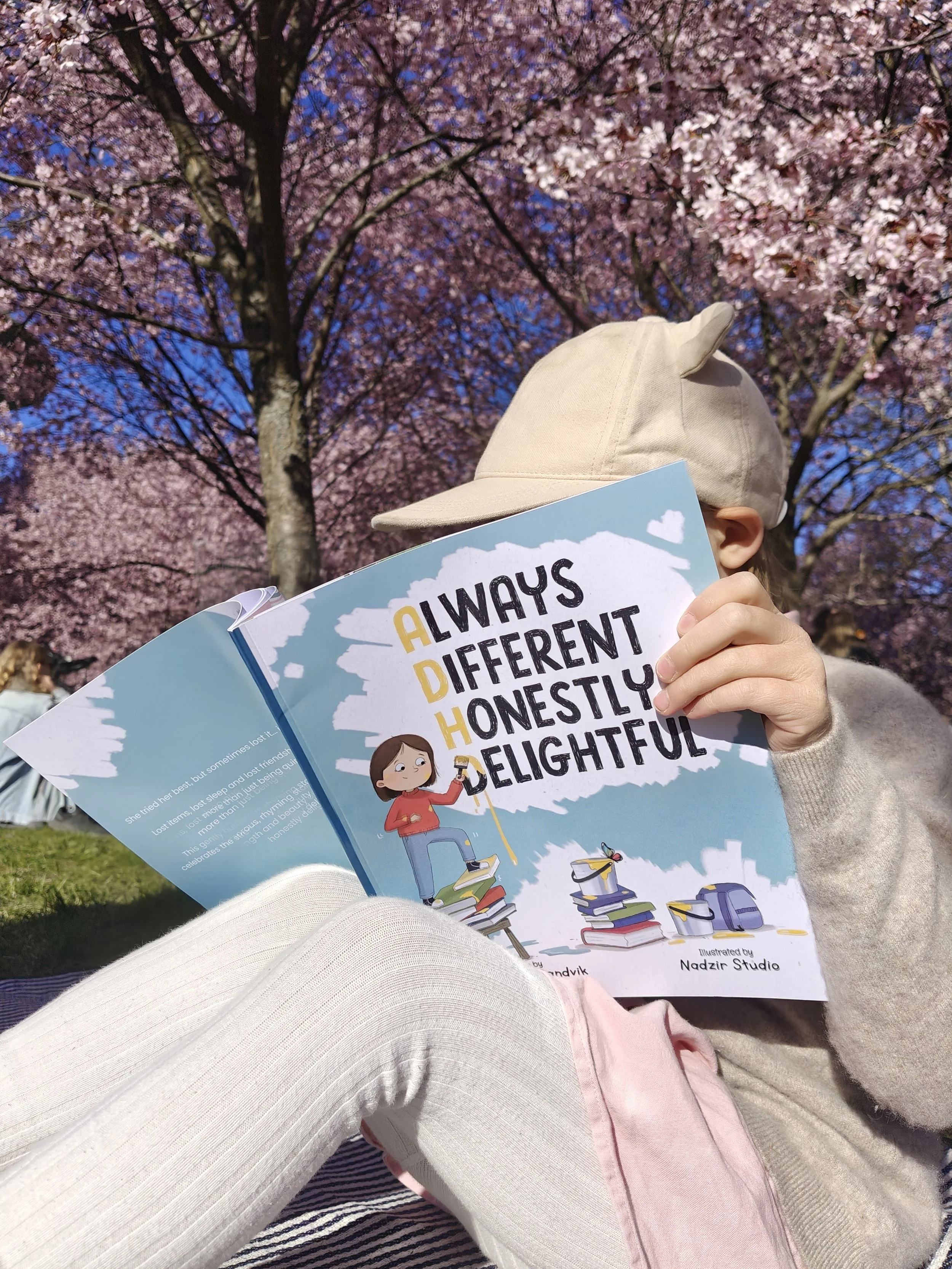
Stephanie is a teacher and children’s book author living in Finland. With a decade of classroom experience, she specializes in primary education and biology, and is transitioning into teacher training this fall. Bringing her own personal experience with ADHD to her work, she is deeply passionate about neurodiversity and special education. When she isn’t working, she loves being active in nature and is happiest spending time with her husband and two wonderful daughters.
“Grown ups and parents only see her flaws.
Can’t they see it’s exhausting to never get a pause?
Nothing ever turns out the way she wants,
many daily situations ending with taunts.
Anger turns to rage, she can’t keep it inside,
her feelings get too big, her common sense seems to hide.
She feels time after time she is in the wrong,
she is not fitting in, has no place to belong.”
My ADHD journey didn’t begin with a childhood diagnosis.
Growing up, I didn’t know I had ADHD. I only knew that I felt different, and I spent years wishing I wasn’t so alone in my struggles. It took until three years ago, when I was finally diagnosed at 32, to realize that there was never anything wrong with me; my brain just worked differently.
I was a child with a vivid imagination who could spend hours lost in my own world. I absorbed facts like a sponge, especially anything to do with animals and nature. Even now, I’m the person who might casually tell you that wombats produce cube-shaped droppings.
My brain seemed to collect and store endless bits of information, and my memory for details could be startlingly accurate. Sometimes I still catch myself remembering exactly what someone wore years ago, only to realize that most people find that a little unsettling.
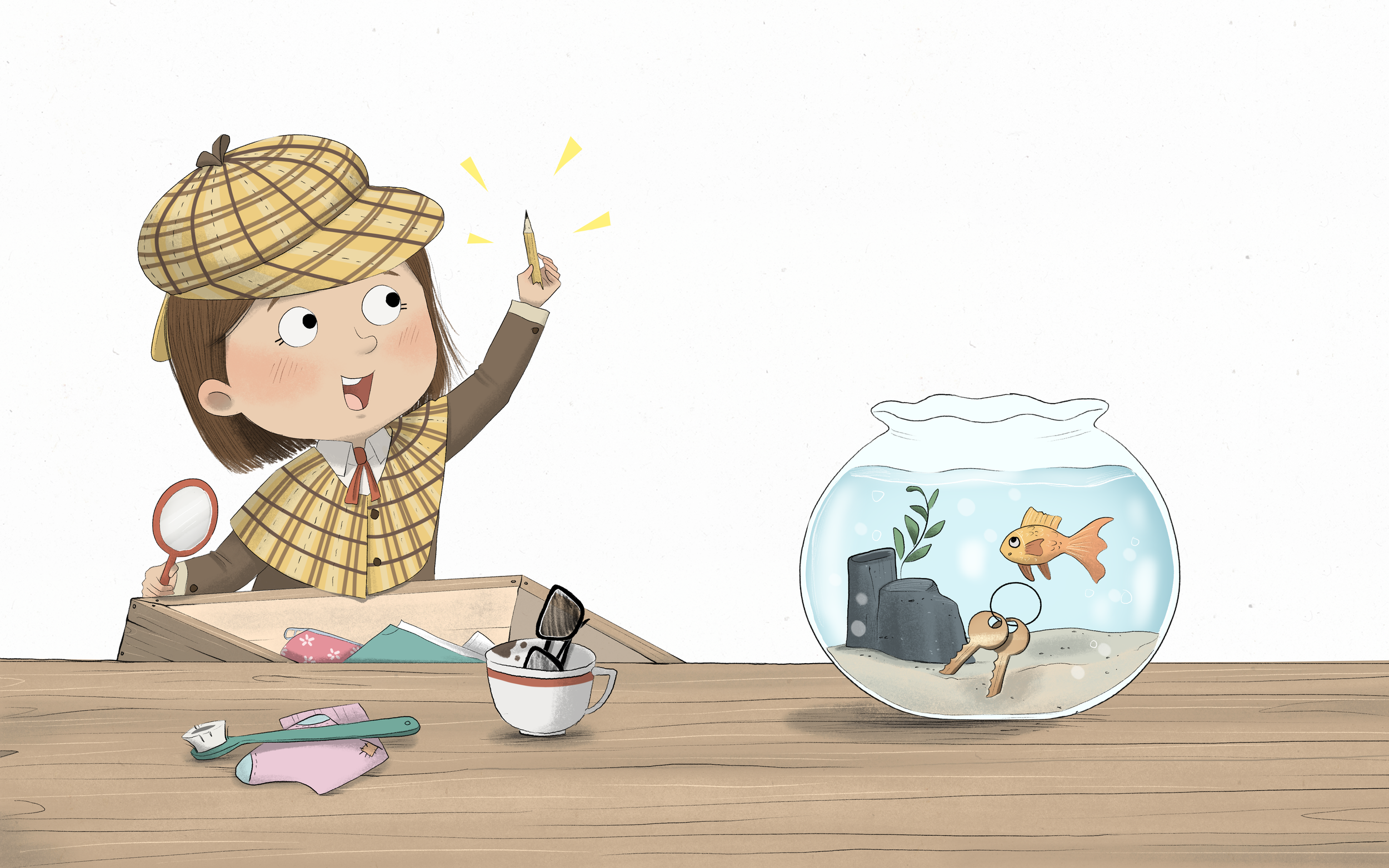
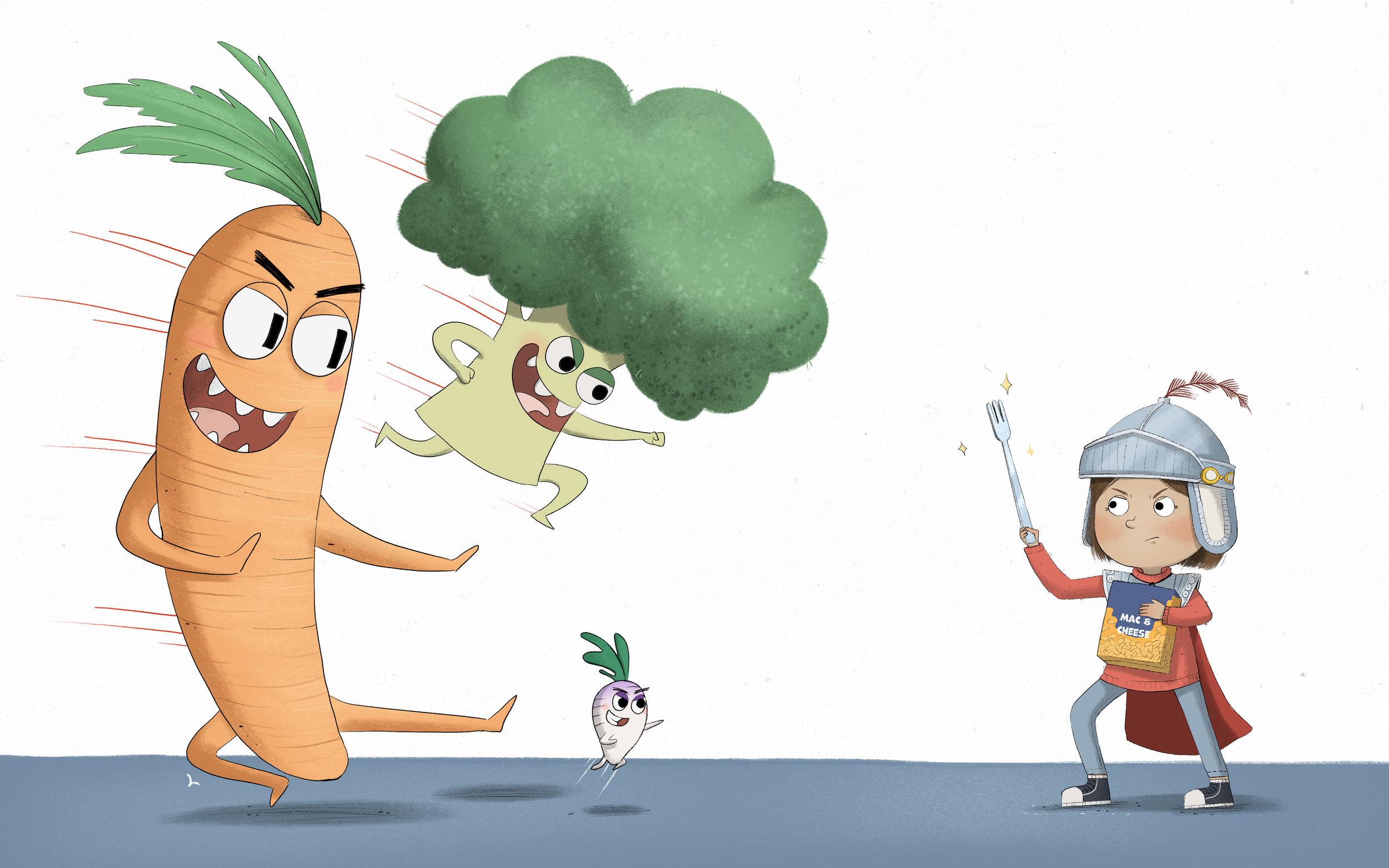
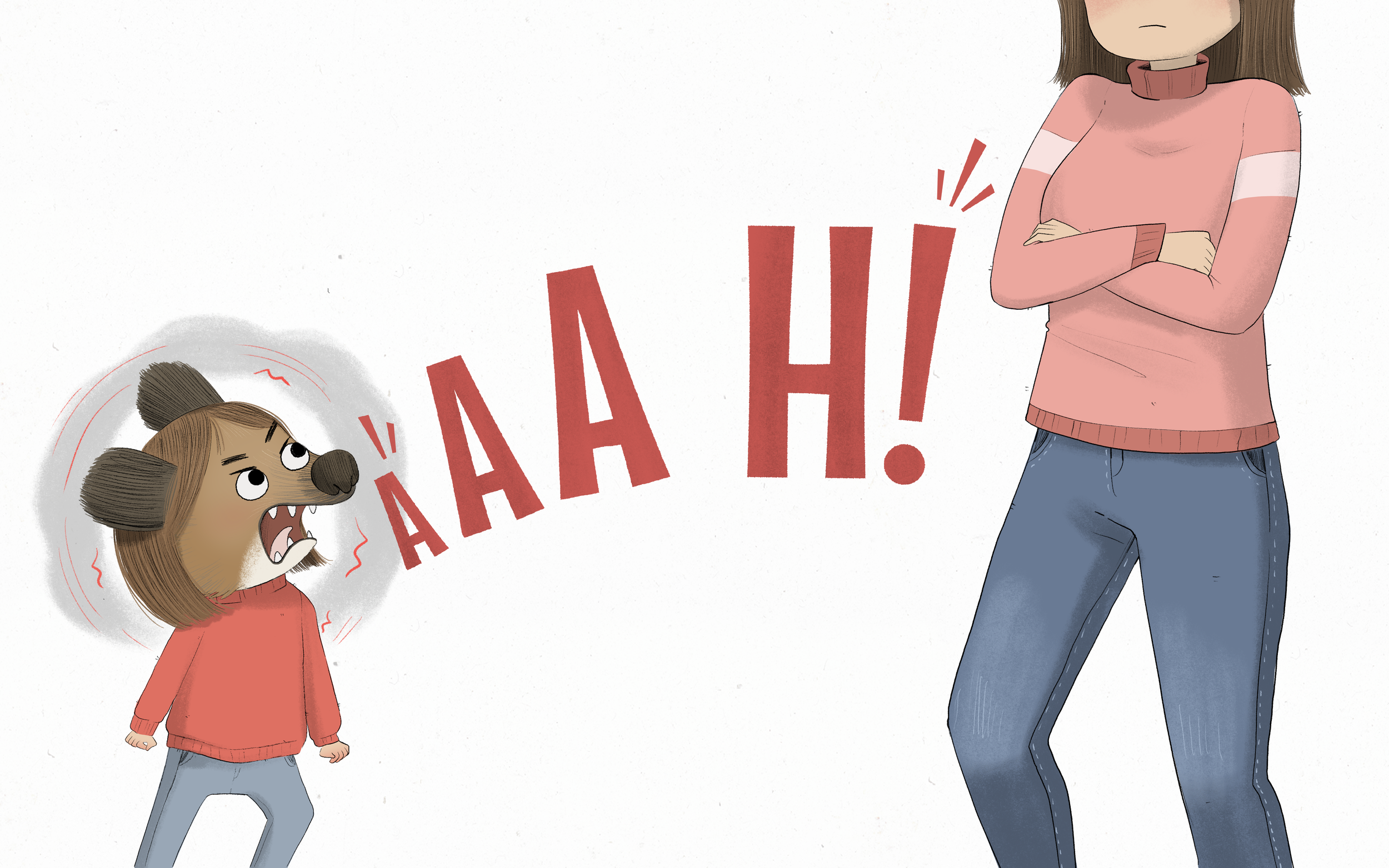
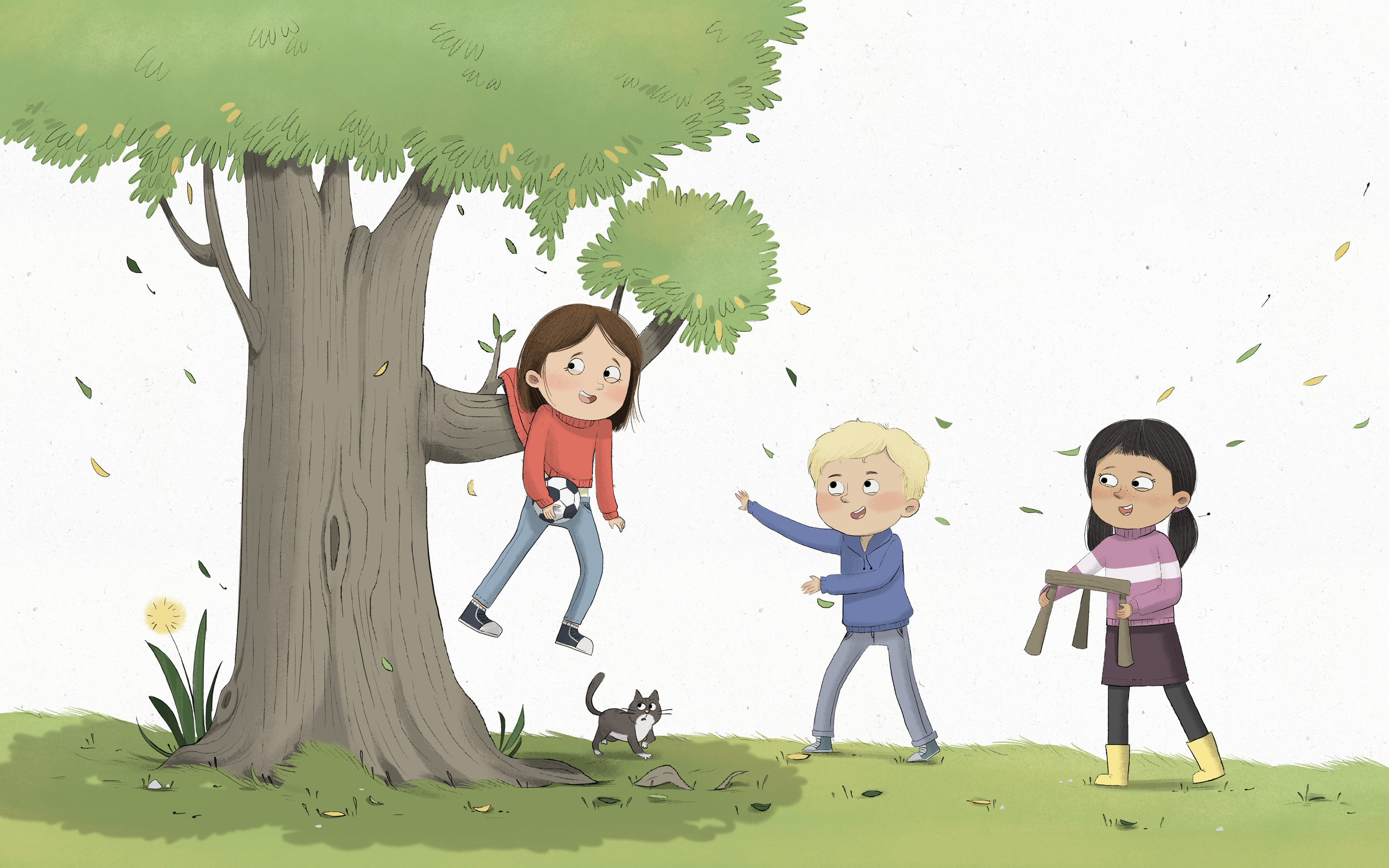
At the same time, everyday life often felt overwhelming. I grew up in a busy household with three loud siblings, and the world always seemed to come at me at full volume. Everything felt either too loud, too bright, too busy, or too itchy. Certain foods could trigger complete meltdowns. But what looked like overreactions from the outside were actually moments when my nervous system had simply reached its limit.
School was equally confusing. I struggled to follow verbal instructions and often found myself watching everyone else to figure out what I was supposed to be doing. While other children seemed to instinctively understand the expectations around them, I constantly felt as though I had missed an important memo.
To the adults around me, I probably looked capable enough. I wasn’t disruptive, and I did well in the subjects that captured my interest. What they couldn’t see was how much effort it took to keep up, how often I was quietly confused, or how exhausting it felt to constantly scan the room for clues about what everyone else seemed to understand naturally.
Because my struggles weren’t recognized or understood, I did what so many young girls do: I turned my feelings inward.
Every missed detail, every forgotten instruction, every moment of being overwhelmed became evidence that something was wrong with me. I grew up with a relentless inner critic and a fragile sense of self-worth, carrying burdens I’ve spent years untangling and healing from as an adult.
I was already working as a teacher when I finally got my official diagnosis. Because my degree included special education, I actually already knew a lot about ADHD and was well aware that I had it. For years, I had just managed life on raw force, pushing through everything on sheer willpower. But once I became a mother, that just didn’t work anymore.
It was a strange position to be in. Every day at work, I could easily see the incredible creativity, curiosity, and resilience in my neurodivergent students. I advocated for them and celebrated their strengths, but I hadn’t yet learned how to allow myself the same compassion.
Then came the day that changed everything.
After finally receiving my diagnosis, I was prescribed medication. It felt as though a lifelong fog had suddenly lifted. For the first time, my mind felt clear.
That same day, I sat down and wrote the first draft of “Always Different, Honestly Delightful”.
How the book came to be:
While the writing process itself felt easy (the story practically poured out of me), selling and marketing such a niche book has been a completely different story. It takes a lot of effort to get a message like this out there. But thanks to incredibly talented people like my illustrator, and supportive communities like Jessica’s (the adhd mom), the book is actually making its way onto real bookshelves.
I wrote this book for the little girl I used to be.
I wrote it for the girls sitting quietly in classrooms, wondering why everything seems harder for them than it does for everyone else.
I wrote it for the children who are trying their best but still feel like they’re getting it wrong.
Written in gentle, humorous rhyme, the story follows a young girl with ADHD. I wanted to capture not only the outward behaviors people notice, but also the internal experience that often goes unseen: the invisible effort behind every task, the sensory overload, the big emotions, and the constant feeling of trying to keep up. Most of all, I wanted children to see themselves reflected in a story with kindness.
My hope is that books like this can help lead to earlier recognition, understanding, and support. I want children to read these pages and think, “Oh, that’s why my brain does that, and there’s nothing wrong with me.”
I also wrote this story for my own children. Like every parent, I want them to grow up in a world that is kinder, more understanding, and more accepting of differences. I want them, and every child, to learn that people experience the world in different ways, and that those differences deserve compassion rather than judgment.
If we can help children understand themselves earlier, and help the adults around them understand too, we can protect something precious: their self-worth.
To the parents reading this who are navigating this journey with your own families: your children need their struggles acknowledged just as much as their strengths celebrated.
One of the most powerful things we can say to a child is, “I see how hard you’re trying.”
Whether through books, conversations, or everyday moments of connection, we have opportunities to help children understand that their differences do not diminish their worth. They are worthy, capable, and honestly delightful exactly as they are.
How to find the book:
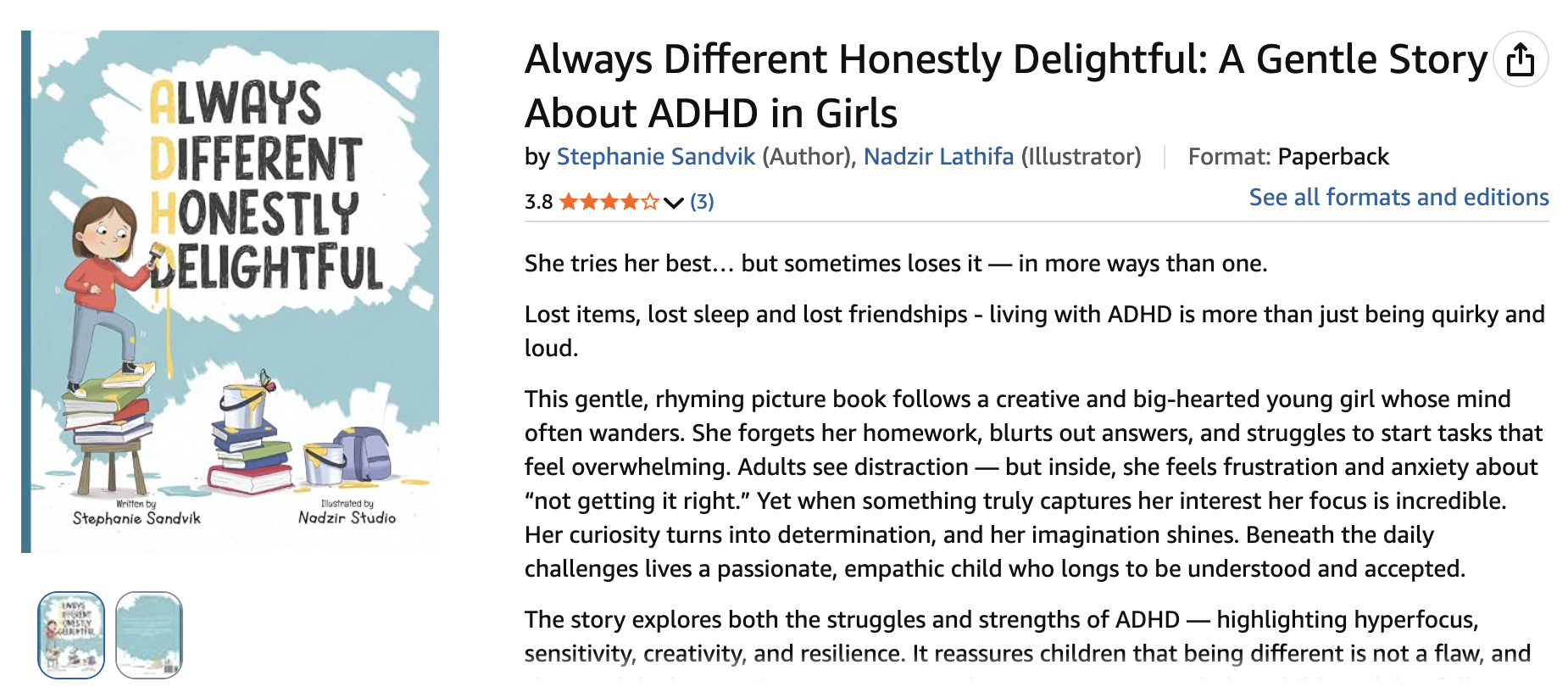
Always Different, Honestly Delightful is currently available in paperback on Amazon. Later this summer the hardback will also be available. Beyond your own bookshelf, one of the most meaningful ways to support neuro-affirming literature is to make a request at your local library, helping place stories like this into the hands of families and children who may need them most.
